Creative Toys That Spark Imagination in Preschoolers
At Toy Fort, we believe in the power of imaginative play to shape young minds. In this article, we’ll explore why imaginative play is crucial for pre-schoolers’ development, the types of toys that best nurture creativity, and our top picks for toys that spark imagination. Whether you're a parent, teacher, or caregiver, choosing the right toys can make a lasting difference—and Toy Fort is here to guide you every step of the way.
The Importance of Imaginative Play in Early Childhood

Imaginative play, also known as pretend play or make-believe play, allows children to invent scenarios, roles, and narratives. It's a form of play where the mind takes the lead, transforming everyday objects into magical tools or characters. This type of play is especially important for pre-schoolers aged 3 to 5, as it supports various areas of development:
1. Cognitive Development
When children engage in imaginative play, they practice problem-solving, planning, memory recall, and symbolic thinking. For instance, building a castle with blocks or creating a tea party for stuffed animals involves sequences of actions and logical thinking.
2. Language and Communication
Pretend play naturally encourages verbal interaction. Whether a child is narrating a story, assigning roles, or negotiating play rules with others, they are developing vocabulary, sentence structure, and communication skills.
3. Emotional Development
Through role-playing, children learn to express emotions, understand empathy, and manage feelings. A child playing "doctor" might learn how to comfort a "patient," mirroring real-life social and emotional situations.
4. Social Skills
Imaginative play often involves multiple participants. Collaborating with peers to create shared stories or solve play dilemmas fosters cooperation, turn-taking, and conflict resolution.
Top Categories of Creative Toys for Pre-schoolers

Below are some categories of toys that are particularly effective at stimulating imaginative play in young children:
1. Building and Construction Toys

Construction toys give children the power to create anything they imagine—castles, cities, spaceships, or animals. They offer freedom to experiment, fail, and try again, all of which are vital for cognitive growth.
Examples:
· Wooden Blocks – Timeless and versatile, wooden blocks can be stacked, balanced, and combined in endless configurations.
· Magnetic Tiles (e.g., Magna-Tiles) – Allow colourful 3D structures and enhance understanding of geometry and magnetism.
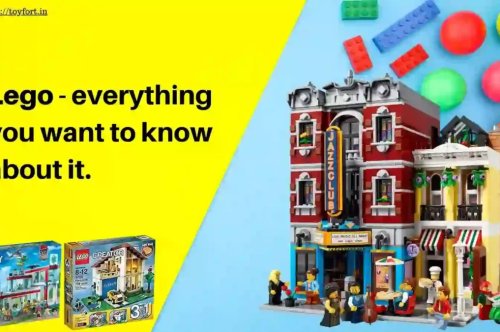
· LEGO Duplo Sets – Designed for small hands, these chunky bricks are perfect for pre-schoolers beginning to explore creative construction.
2. Pretend Play Sets and Role-Play To

Children love imitating adults and everyday scenarios. Pretend play sets allow them to act out real-life roles, from chefs to astronauts to veterinarians. This type of play supports empathy and social understanding.
Examples:
· Play Kitchens and Cooking Sets encourage domestic role-play and understanding of food and nutrition.
· Doctor Kits ,allow exploration of healthcare roles and reduce fear of medical visits.
· Dress-up Costumes – Superheroes, animals, community helpers—costumes allow kids to become anyone they wish.
· Puppet Theatres and Dolls – Offer a stage for storytelling and emotional expression.
3. Art and Craft Toys

Art and Craft Toys is a direct outlet for a child's inner world. Providing tools and materials to create artwork fosters self-expression, fine motor development, and decision-making.
Examples:
· Crayons, Markers, and Washable Paints – Perfect for free drawing and color experimentation.
· Play-Dough and Modelling Clay – Great for sculpting imaginative creatures or food items.
· Sticker and Collage Kits – Encourage design thinking and spatial awareness.
4. STEM-Inspired Creative Kits

Science, Technology, Engineering, and Math (STEM) learning starts young when children tinker, build, and explore how things work. STEM kits tailored for pre-schoolers can be both fun and intellectually stimulating.
Examples:
· Simple Circuit Kits – Introduce basic concepts of electricity in a safe, colourful way.
· Magnet Exploration Sets – Help children discover magnetic poles, attraction, and repulsion.
· Preschool Engineering Sets – Encourage the design of basic machines like pulleys, levers, and wheels.
5. Storytelling and Literacy Toys

Early exposure to storytelling improves literacy and language fluency. Toys that promote narration and character development help children connect with language on a deeper level.
Examples:
· Story Dice or Cards – Random combinations inspire children to invent their own tales.
· Story Books (non-electronic) – Lift-the-flap or textured books make reading more engaging.
· Shadow Puppets or Theatre Sets – Allow children to perform their own bedtime stories or adventures.
6. Nature and Exploration Kits

Exploring the world around them helps children make real-world connections. Nature-themed toys teach curiosity and appreciation for the environment.
Examples:
· Bug Catcher Kits and Magnifying Glasses – Inspire observational skills and love for nature.
· Garden Growing Kits – Teach responsibility and wonder through planting and nurturing.
· Binoculars and Adventure Vests – Make outdoor walks an exploratory adventure.
How to Choose the Right Creative Toy

With so many options available, choosing the right creative toy for your pre-schooler can be a bit overwhelming. Here are some tips to guide your selection:
1. Consider the Child’s Interests
Some children are natural storytellers, while others enjoy building or hands-on experimentation. Select toys that align with their current interests, while gently introducing new areas to explore.
2. Prioritize Safety and Age Appropriateness
Always ensure the toy is suitable for the child’s age group and free from small parts that could pose a choking hazard. Materials should be non-toxic and durable.
3. Look for Longevity
The best toys grow with the child. Choose toys that can be used in different ways as the child’s skills and imagination expand.
4. Encourage Collaboration
Toys that support cooperative play are especially valuable, as they help children develop social skills and learn to share ideas.
How Parents Can Encourage Creative Play at Home

Creating a Toy Rotation System
Too many toys can overwhelm. Rotate them every few weeks to keep things fresh and spark curiosity.
Designing a Creative Play Space
Set up a play area that invites imagination. Use low shelves, colourful bins, and display your child’s artwork to encourage creativity.
Joining in the Pretend Play
When parents play along—pretending to be a customer or a dragon—they show that imagination is valuable and fun.
The Role of Adults in Imaginative Play

While children are naturally imaginative, adult involvement can greatly enhance the richness of their play. Here’s how caregivers can support imaginative play:
· Join In, But Don’t Take Over – Follow the child’s lead and add value without controlling the play.
· Ask Open-Ended Questions – “What happens next?” or “Who is that character?” helps deepen the narrative.
· Provide Play-Friendly Spaces – Create areas where messes are okay and creativity is encouraged.
· Limit Screen Time – Passive entertainment can hinder creative thinking. Hands-on play should be a daily priority.
Creative Toys in the Digital Age

In today’s digital world, many toys come with screens, flashing lights, and scripted interactions. While some tech toys can be educational, they often offer limited imaginative potential. Here are a few thoughts on balancing tech and creativity:
· Choose Passive Tech with a Purpose – For example, an e-book reader for children can encourage reading, but shouldn’t replace tactile books.
· Limit Electronic Features – A toy that sings, talks, and dances on its own might entertain, but may not invite creative input from the child.
· Encourage “Maker” Tech – Toys that teach coding or building digital stories (like programmable robots or animation kits) offer both tech and creativity.
Creative Toys That Spark Imagination in Pre-schoolers
A child’s imagination is one of the most powerful forces in the world. With the right toys, this imagination turns into invention, storytelling, and joyful discovery. From DUPLOs to crayons to cardboard castles, creative toys open doors to endless possibilities.
Conclusion
Creative toys are more than just entertainment—they are the seeds of innovation, empathy, critical thinking, and lifelong learning. For pre-schoolers, the right toys create a canvas where imagination can flourish.
When choosing toys for young children, look for those that offer flexibility, open-ended use, and storytelling potential. Observe how your child plays—do they build? Do they pretend? Do they sing? Let their interests guide your toy selections.
Ultimately, the best creative toy is one that gets used in 100 different ways—not the one with the most buttons or flashiest lights. Because when imagination is sparked, a pre-schooler isn’t just playing—they’re exploring the world, creating meaning, and growing into who they are meant to be.
Creative toys that spark imagination in preschoolers can be purchased from Toy Fort.