The Power of Puzzle Toys in Boosting Brain Development
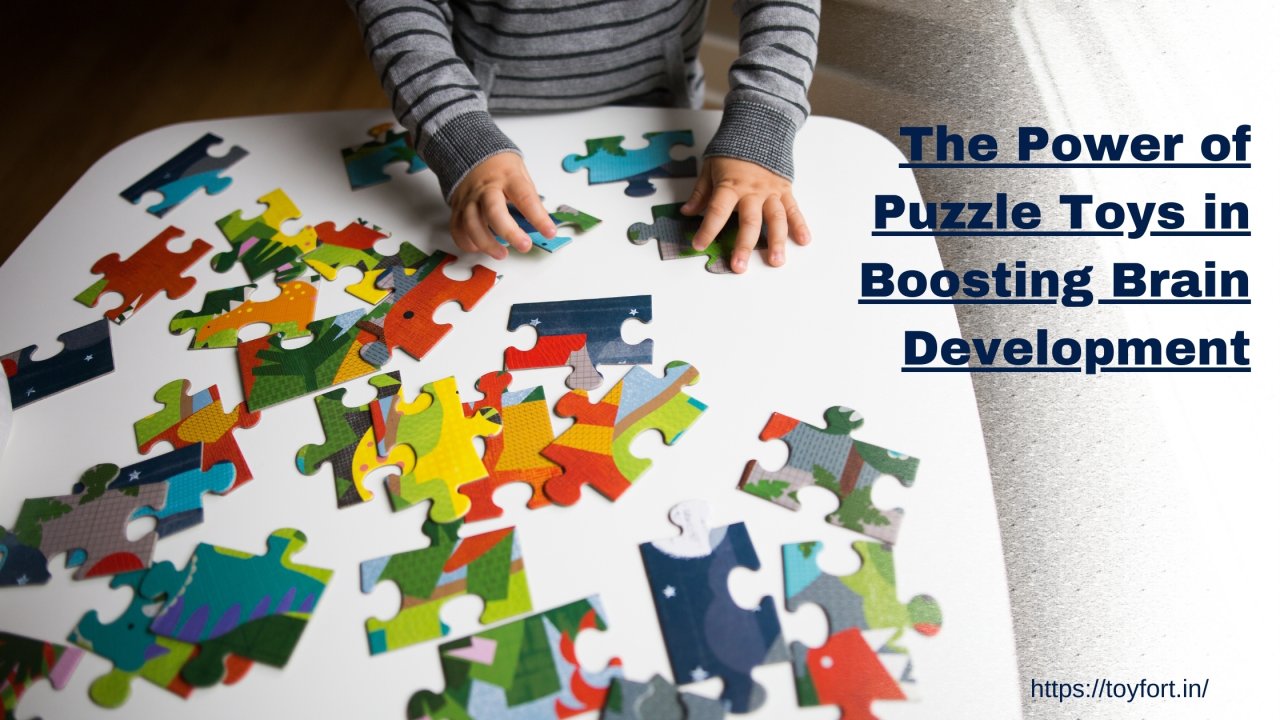
The Power of Puzzle Toys in Boosting Brain Development
Puzzle Toys are more than just sources of entertainment—they're powerful tools that nurture growing minds. Designed to boost focus, enhance logical reasoning, and sharpen problem-solving skills, our collection spans from simple wooden shapes for toddlers to intricate jigsaw puzzles for adults.
Each puzzle toy at TOY FORT is crafted to engage different areas of the brain, offering enriching experiences that are both fun and educational.
From colorful shape sorters and stacking rings to engaging memory games and thought-provoking logic puzzles, Toy Fort provides endless ways to learn through play.
A Brief History of Puzzle Toys
Puzzle toys have been around for centuries. The earliest known puzzles date back to Ancient Greece, while the first jigsaw puzzle appeared in the 1700s in England as a teaching aid.
Since then, puzzle toys have evolved into a diverse world of tactile and digital games, each with the shared goal of stimulating thought and development.
The Power of Puzzle Toys in Boosting Brain Development

1. Key Stages of Brain Growth

From infancy to adulthood, our brains undergo dramatic changes. Infants form trillions of neural connections in their first few years. By the time we're adults, our brains have pruned unused pathways and strengthened important ones. Puzzle toys help keep those neural pathways active, improving cognitive function at every stage.
2. How the Brain Learns and Adapts

The human brain thrives on challenge and novelty. Puzzle toys provide both. When faced with a challenge, the brain uses logic, memory, spatial awareness, and problem-solving—all essential for healthy cognitive development.
Each successful interaction with a puzzle reinforces learning through a process known as positive feedback.
Brain Benefits for Adults and seniors

Source:- https://pin.it/1dn4CNYzU
Adults often overlook puzzle toys as mere children’s entertainment, but the truth is—they are just as essential in adulthood, if not more.
The Cognitive Benefits of Puzzle Toys
1. Enhancing Problem-Solving Skills

Solving puzzles is essentially tackling a problem: how do these pieces fit together? This promotes critical thinking, a skill vital in both academic and everyday settings. Children learn to approach challenges, test hypotheses, and adapt strategies until they succeed.
2. Boosting Memory and Recall

Most puzzles require players to remember patterns, colors, and shapes, which improves both short-term and long-term memory. This process stimulates the hippocampus, the brain’s memory center.
3. Developing Spatial Awareness

When working with jigsaws or 3D puzzles, the brain processes spatial relationships, helping children understand how parts make up a whole. This skill is especially useful in subjects like math, geometry, and even architecture later in life.
4. Improving Fine Motor Skills

For younger children, especially toddlers, puzzle toys help refine motor coordination. Picking up small pieces, turning them, or sliding them into place strengthens finger muscles and hand-eye coordination.
5. Encouraging Patience and Perseverance

Puzzles are inherently challenging. Learning to not give up at the first hurdle teaches children grit, an essential life skill that contributes to success in school and beyond.
Why Puzzle Toys Matter
Stimulating Cognitive Functions
Puzzle toys engage multiple areas of the brain at once. They stimulate:
- Memory
- Logical reasoning
- Spatial awareness
- Attention to detail
Whether it’s matching colors or solving a 1000-piece jigsaw, these toys strengthen the brain’s ability to think and reason.
Enhancing Problem-Solving Skills
Each puzzle presents a problem that must be solved. Kids and adults alike must think critically, make decisions, and evaluate different options. Over time, these experiences build resilience and strategic thinking.
The Science Behind Puzzle Play

Neuroplasticity and Puzzle Interaction
Neuroplasticity is the brain's ability to change and adapt. Puzzle toys promote neuroplasticity by encouraging users to try new approaches, correct mistakes, and explore new strategies. These challenges create and reinforce neural pathways that help the brain stay flexible and sharp.
How Brain Cells Respond to Challenges
Every time you solve a puzzle, your brain releases dopamine—a chemical linked to pleasure and reward. This motivates further learning and creates a cycle of curiosity, challenge, and satisfaction. The brain literally lights up with activity during puzzle play.
How Puzzle Toys Support Brain Development by Age Group

0–2 Years: Sensory and Motor Exploration

At this stage, children explore the world through touch, sound, and sight. Simple puzzles like stacking rings, shape sorters, and knobbed puzzles stimulate sensorimotor skills and object permanence.
2–4 Years: Cognitive Growth

Children begin recognizing patterns, colors, and basic shapes. Interlocking puzzles and basic jigsaws help form neural pathways for logic, memory, and problem-solving.
5–7 Years: Developing Logical Thinking

Kids now enjoy more complexity. Introduce pattern-based puzzles, tangrams, and math-based games. These support brain functions tied to language and numerical reasoning.
8–12 Years: Advanced Reasoning

Older children benefit from strategy games, Sudoku, and engineering kits. These boost abstract thinking, foresight, and creative planning.
Teens & Adults: Lifelong Cognitive Engagement
Brain teasers, crosswords, and complex 3D puzzles keep the mind sharp and may help reduce the risk of cognitive decline in later years.
Puzzle Toys for School Children
Strengthening Memory and Focus
Puzzle toys challenge children to remember patterns, recall images, and concentrate for extended periods. Games like memory cards, mazes, and Sudoku help boost short- and long-term memory.
Encouraging Creativity and Logical Thinking
Tangrams, Rubik's Cubes, and LEGO sets combine logic with creativity. They push kids to think outside the box while building critical thinking skills.
Teens and Brain Games

- Challenging the Growing Mind
Teenagers are developing abstract thinking skills. Puzzle games that involve strategy—like chess, escape rooms, or 3D puzzles—stimulate brain regions related to foresight and planning.
- Building Strategic Thinking and Patience
With maturity comes the ability to focus on long-term goals. Complex puzzles teach teens the value of patience, analysis, and structured problem-solving.
Puzzle Toys for Adults

- Keeping the Mind Sharp
For adults, puzzle play can delay cognitive decline. Brain, crossword puzzles, and logic games are excellent tools to stay mentally agile.
- Reducing Cognitive Decline with Age
Studies show that regular puzzle play can slow memory loss and sharpen mental acuity. It's a fun and effective way to combat age-related changes.
Impact on Emotional Intelligence
- Building Patience and Persistence
Puzzle toys teach an underrated life skill: persistence. Completing a difficult puzzle requires sticking with it—even when it gets tough.
- Coping with Failure and Success
Making mistakes, learning from them, and trying again—these are lessons puzzle toys offer without any lectures. They help children and adults build emotional resilience.
Social Benefits of Puzzle Toys

- Collaborative Play and Communication
Working on a puzzle with someone else encourages communication, teamwork, and shared problem-solving. It’s a quiet but powerful bonding experience.
- Bonding Through Team Problem-Solving
Whether it’s a family puzzle night or a classroom activity, puzzle games bring people together. They create shared goals and mutual achievements.
Educational Value of Puzzle Toys
- Supporting School Curriculum
Math puzzles teach counting, sorting, and patterns. Word puzzles improve vocabulary and spelling. Puzzle toys make learning fun and interactive.
- Learning Through Interactive Play
When kids play, they learn without pressure. Puzzle play encourages exploration, creativity, and active participation in learning.
How to Choose the Right Puzzle Toy
- Factors to Consider by Age
Always match the puzzle’s complexity to the child’s age and skill level. Too easy? They’ll be bored. Too hard? They’ll be frustrated.
- Best Brands and Materials
Look for quality brands like Melissa & Doug, Ravensburger, or Fat Brain Toys. Choose safe, non-toxic materials, especially for younger children.
How to Incorporate Puzzle Toys Into Daily Life
You don’t need a complete lifestyle overhaul to enjoy the benefits of puzzle toys. Here’s how to integrate them effortlessly:
- Start your morning with a quick brain teaser or crossword
- Dedicate a 15-minute “brain break” during your workday
- Introduce puzzle time during family evenings
- Use travel-sized puzzles for commutes or vacations
- Join puzzle clubs or online communities for motivation
Puzzle Toys and Special Needs Children
- Supporting Developmental Delays
For children with autism, ADHD, or learning delays, puzzle toys can improve focus, motor skills, and social interaction. Therapists often use puzzles in interventions.
- Therapeutic Benefits of Puzzles
Puzzles offer structure, predictability, and a sense of achievement—elements that can be deeply reassuring to children with special needs.
The Role of Puzzle Toys in Early Childhood Education

- Teacher Insights and Classroom Use
Educators use puzzles to teach math, language, and science. They support both solo and group learning.
- Integration with Learning Goals
Puzzles can be aligned with curriculum goals, turning abstract ideas into tangible lessons kids can touch and feel.
Tips for Parents and Caregivers
- Encouraging a Love for Brain Games
Lead by example. Solve puzzles with your children and show excitement about learning. Celebrate small wins.
- Avoiding Overstimulation
Balance is key. Don't overwhelm kids with too many toys or too much difficulty. Let them learn at their own pace.
The Future of Puzzle Toys
- Innovations and Technology Integration
Smart puzzle toys that integrate with apps, augmented reality puzzles, and AI-powered games are on the rise. These can offer customized challenges based on the user's ability.
- Sustainable and Inclusive Designs
The future is green and inclusive. Puzzle toys made from recycled materials and designed for all abilities are becoming more common and necessary.
Conclusion
Puzzle toys aren’t just tools for passing time—they’re powerful brain boosters that build essential life skills. From developing fine motor coordination in toddlers to enhancing memory in older adults, the benefits are immense and long-lasting. So next time you pick up a puzzle, remember—you’re doing more than playing. You’re growing your brain, one piece at a time. Buy from the widest range of Puzzle toys online from Best Online toy store TOY FORT.